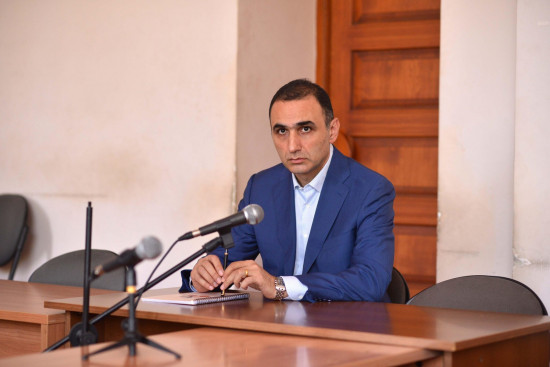
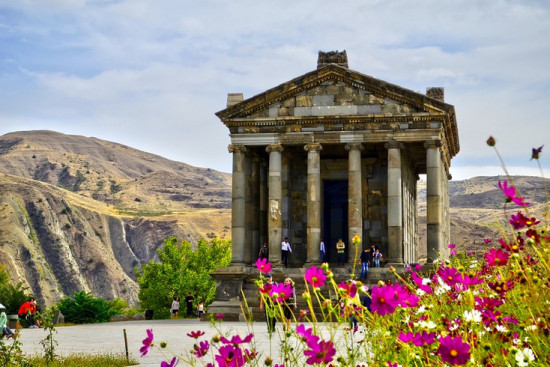
Aghvan Avagyan. The transformative impact of covid-19 on armenia's hospitality industry

The COVID-19 pandemic caused unprecedented disruptions to global tourism, with Armenia's hospitality sector experiencing severe economic contractions due to travel restrictions and shifting consumer behaviors. This paper examines the pandemic's multi-dimensional impact on Armenia's hotel and restaurant industry, analyzing key challenges including workforce shortages, financial instability, and evolving guest expectations. Drawing on global research and local case studies, the study identifies critical recovery strategies such as digital transformation, sustainable practices, and workforce development programs. The findings suggest that while the sector continues to face significant hurdles, strategic investments in technology, employee training, and guest experience innovation can foster long-term resilience. The research provides actionable insights for industry stakeholders navigating the post-pandemic landscape.
The global hospitality sector faced its most severe crisis in modern history when COVID-19 brought international travel to a standstill. For Armenia, where tourism contributes nearly 12% of GDP, the pandemic's effects were particularly devastating. International arrivals plummeted by 84% in 2020, with hotel occupancy rates dropping to historic lows of 15-20% during peak lockdown periods. As the sector gradually recovers, it's becoming clear that the pandemic has permanently altered hospitality operations, consumer expectations, and workforce dynamics - changes that Armenian businesses must navigate to ensure long-term viability. The employment shock was immediate and severe, mirroring global trends where 72% of hospitality workers lost their jobs. Even as travel resumed, Armenia faced an acute labor shortage as skilled workers transitioned to more stable industries. Recent data shows that four years postpandemic, about 40% of hospitality positions remain difficult to fill, particularly for roles requiring international service standards. This staffing crisis is compounded by changed worker priorities, with employees now demanding better job security, health protections, and work-life balance than pre-pandemic levels.
Consumer behavior transformations have been equally profound. Health and safety concerns remain paramount, with 68% of travelers globally considering cleanliness protocols when choosing accommodations. Armenian hotels have responded by implementing contactless technologies, making mobile check-ins and digital menus standard even in mid-range properties. The crisis accelerated existing trends toward experiential tourism, creating opportunities for Armenia to leverage its cultural heritage.
Boutique hotels and eco-lodges in regions like Dilijan have rebounded faster than traditional hotels by offering authentic, personalized experiences that align with post-pandemic traveler preferences. Financial pressures continue to constrain recovery across the sector. Many Armenian hospitality businesses took on substantial debt during lockdowns, with 30% reporting difficulties servicing high-interest loans. The recovery has been uneven, with luxury properties in Yerevan reaching 65- 70% occupancy while rural guesthouses struggle at 40-45%.
This disparity reflects the growing divide between businesses that could invest in upgrades and those operating on thin margins. Digital capabilities have emerged as a key differentiator, with properties that adopted revenue management systems and direct booking platforms recovering 20-30% faster than those reliant on third-party channels. Sustainability has transitioned from niche concern to business imperative, with 60% of travelers now preferring hotels with verifiable green practices. Armenian properties are responding with solar energy adoption, water conservation systems, and partnerships with local organic farms. These initiatives not only reduce costs but also appeal to high-value international tourists. The government's "Green Armenia" program provides certification incentives, helping local businesses compete in premium market segments.
CONCLUSION
The COVID-19 pandemic has fundamentally reshaped Armenia's hospitality landscape, exposing vulnerabilities while creating opportunities for transformation. Three key pillars emerge as critical for sustainable recovery: workforce development through comprehensive training programs, technological integration that enhances both efficiency and guest experiences, and sustainability initiatives that align with evolving traveler values. Successful navigation of the post-pandemic era will require collaborative efforts between private operators and government entities. Public-private partnerships could address workforce gaps through standardized certification programs, while financial mechanisms like low-interest loans could help smaller businesses regain stability. The adoption of smart technologies should be balanced with preserving Armenia's tradition of warm, personalized hospitality. Looking ahead, the sector's resilience will depend on its ability to anticipate and adapt to continuous changes in traveler expectations and global market conditions. Businesses that embrace innovation while maintaining operational flexibility will be best positioned for long-term success. By addressing current challenges as opportunities for reinvention, Armenia's hospitality industry can emerge stronger and more sustainable than its pre- pandemic state, ready to welcome a new era of travelers seeking authentic, responsible, and memorable experiences.
References
1. World Tourism Organization (2022). Tourism Recovery Tracker
2. Armenian Tourism Committee (2023). Annual Hospitality Sector Report
3. International Labour Organization (2021). Global Hospitality Employment Trends
4. McKinsey & Company (2022). The Future of Travel: Trends and Opportunities
5. Sustainable Travel International (2023). Consumer Preferences in Post-Pandemic Tourism
6. Harvard Business Review (2021). Resilience Strategies for Hospitality Businesses
7. Journal of Sustainable Tourism (2022). Case Studies in Eco-Hospitality
8. Armenian Economic Forum (2023). Digital Transformation in Hospitality
9. UNWTO (2023). Global Tourism Resilience Framework
10. Cornell Hospitality Quarterly (2022). Workforce Challenges in Post-Pandemic Hospitality
Author Aghvan Avagyan
 ARMAT FIGHT SHOW (AFS) × ORION FIGHT CLUB (OFC)․ Армения против всего мира
 В сердце Еревана родилась новая фантастическая история: дух старого города в отеле Hayasa Hotel Old ...
 От выбора автомобиля до покупки — все это в одном месте: Америабанк представит платформу MyCar.am и...
 Ucom и FAST объединяют искусственный интеллект и зелёные инновации
 Rate.Trading: обмен валюты на новой цифровой платформе
 Ральф Йирикян — о цене цифровой трансформации на 13-й Региональной HR-конференции
 IDBank и фонд «Декавва» поддерживают жителей Арцаха
 Теперь в Glovo можно платить через Idram - долгожданное партнерство стало реальностью
 Почему Армения не обратилась в ОДКБ во время войны
 Рубеж | Двойная игра: какова цена фальшивой искренности?․ Аршак Карапетян