Inclusive Education in Armenia: Expert interview with Marieta Ashikyan
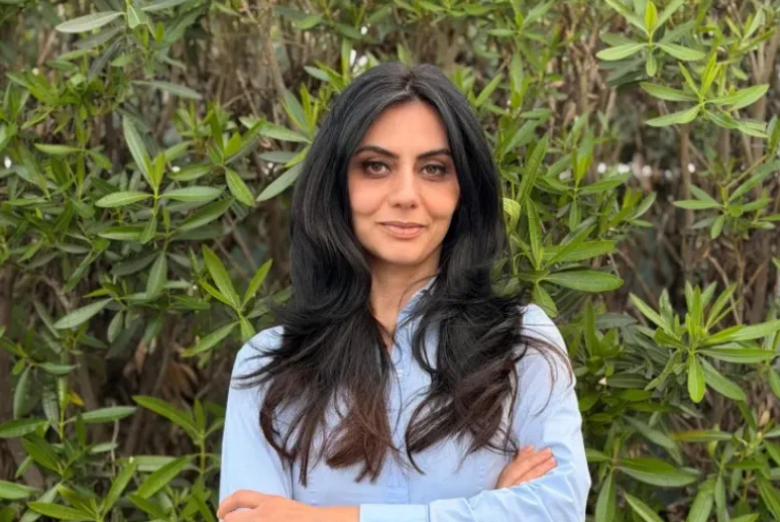
Author: Yana Saribekyan
Introduction
Armenia’s transition to inclusive education—a system where children with special needs learn alongside their peers—has been both transformative and turbulent. While the policy promotes equality, its implementation has revealed stark challenges: aggressive behavior in classrooms, parental denial of diagnoses, and a society still grappling with deep-seated stigmas. To explore these issues, we spoke with Marieta Ashikyan, an independent inclusive educational expert, about the root causes, real-world consequences, and possible solutions for Armenia’s inclusive education system.
Yana Saribekyan: Since inclusive education was introduced, we’ve seen successes but also serious problems—increased aggression, bullying, and social isolation. Why do these issues persist?
Marieta Ashikyan: The core problem is societal mindset. Many people, including educators, still view children with special needs through a lens of separation. Even well-meaning teachers might say, "Go easy on him, he’s different," which only reinforces exclusion. This isn’t just about policy, it’s about culture. The older generation of educators often struggle with this shift, but I see hope in younger teachers entering the system. They’re more open to inclusion, but they need better training to handle the complexities.
Yana Saribekyan: There have been alarming reports—children with special needs hitting classmates, taking their belongings, or acting out violently. Wasn’t this risk considered when designing inclusive education?
Ashikyan: In theory, yes—but theory and practice are worlds apart. Many decisions were made by officials removed from classroom realities. Aggression in these cases isn’t random; it’s often a reaction to frustration. Imagine a child who watches peers succeed effortlessly while they struggle, or who feels constantly pulled aside for "special" attention. That breeds resentment. Schools must recognize this as a systemic issue, not just a behavioral one.
Yana Saribekyan: In Hrazdan, several inclusive schools received 5-7 formal complaints in two years about children with special needs harassing others. What’s being done to address this?
Ashikyan: The response has been inconsistent. Some schools have skilled specialists who intervene early, but others lack resources. A major issue is teacher preparedness—many don’t know how to de-escalate conflicts or understand the underlying causes. For example, a nonverbal child might lash out because they can’t communicate pain or discomfort. Instead of punishment, we need proactive strategies: sensory breaks, communication tools, and peer mediation.
Yana Saribekyan: You’ve mentioned parental denial as a barrier. How severe is this problem?
Ashikyan: It’s one of our biggest obstacles. Some parents refuse to acknowledge their child’s needs, fearing stigma. I’ve seen cases where a child clearly required support, but the family resisted assessments, hoping the issue would "disappear." Tragically, this often leads to bigger problems later. One mother, after years of refusing help for her autistic son, finally sought assistance—only to realize how much early intervention could have helped.
Yana Saribekyan: Is the shortage of qualified specialists making things worse?
Ashikyan: Without a doubt. Even passionate professionals can falter without experience. I’ve mentored young psychologists who, despite their education, felt helpless when a child refused to engage for months. Special education isn’t just about knowledge; it’s about adaptability. Sometimes, you must discard textbooks and find creative ways to connect—like using art or play to build trust.
Yana Saribekyan: Many Armenians still believe children with special needs belong in separate schools or need "fixing." How do we combat this?
Ashikyan: The Soviet legacy looms large. Back then, these children were hidden away, and that mentality persists. Even today, some parents fear inclusive classrooms will "hold back" typical students—a myth we must dismantle. Schools can help by fostering peer friendships and educating families. For example, some schools host "disability awareness days," where students experience simulations (like navigating classrooms blindfolded) to build empathy.
Yana Saribekyan: Should Armenia’s inclusive education model be restructured?
Ashikyan: Yes, but carefully. Right now, we’re forcing some children into a system not designed for them. A child with severe cognitive delays shouldn’t follow the same math curriculum as peers—they might need life skills training instead. Flexibility is key. Some countries use "individualized education plans" tailored to each student’s needs; Armenia should adopt similar reforms.
Yana Saribekyan: Where should systemic change begin?
Ashikyan: Early intervention is critical. Preschools need more psychologists and trained staff to identify issues before they escalate. But the real work starts at home. Many parents lack awareness about developmental disorders, leading to delays in diagnosis. Public campaigns—like TV spots explaining autism or ADHD—could help normalize these discussions.
Yana Saribekyan: What’s your biggest concern for the future of inclusive education in Armenia?
Ashikyan: That we’ll settle for superficial compliance. True inclusion isn’t just about placing children in the same classroom—it’s about ensuring they thrive. Without proper teacher training, parental support, and societal acceptance, we risk creating a system where everyone feels failed: students, parents, and educators alike.
 При поддержке Ucom установлен ИИ-мониторинговый комплекс для охраны природы
 ARMAT FIGHT SHOW (AFS) × ORION FIGHT CLUB (OFC)․ Армения против всего мира
 От выбора автомобиля до покупки — все это в одном месте: Америабанк представит платформу MyCar.am и...
 Ucom и FAST объединяют искусственный интеллект и зелёные инновации
 Rate.Trading: обмен валюты на новой цифровой платформе
 Ральф Йирикян — о цене цифровой трансформации на 13-й Региональной HR-конференции
 Поздравление лидера движения «Всеармянский фронт» с Днем Независимости Армении
 IDBank и фонд «Декавва» поддерживают жителей Арцаха
 Теперь в Glovo можно платить через Idram - долгожданное партнерство стало реальностью
 Почему Армения не обратилась в ОДКБ во время войны